

Fundamental Analysis Explained: Stocks to Crypto
Fundamental analysis explained for stocks and forex, then applied to crypto: on-chain data, token supply, and funding rate as sentiment. Learn on Ouinex.
Read MoreFundamental analysis explained for stocks and forex, then applied to crypto: on-chain data, token supply, and funding rate as sentiment. Learn on Ouinex.
Read More
The technical analysis indicators that actually matter: RSI, MACD, Bollinger Bands, moving averages, and volume, explained simply. Learn on Ouinex.
Read More
A deep order book does not guarantee a fill at your price. What depth actually measures, how slippage happens in liquid markets, and how to size for it.
Read More
Breakout trading is all about catching a market move the moment it escapes its cage. You wait for prices to bust out of their range up or down and ride the momentum.
Read More
A bear market is when the price of an asset or a market drops for a prolonged period of time. However, no matter what direction the market is going in, you can still make money from wise investments. Shorting derivatives (i.e. predicting the price of an asset will go down) can be profitable in a downtrend (but it also carries significant risk, especially in volatile markets). It’s also important to remember that certain investments will pay off in the long run, even if you have to wait many years. And just because crypto is going through a bear market, it doesn’t mean commodities are. So on platforms like Ouinex where you can trade both crypto and derivatives, you can make money from the upward trends in one market and downward trends in another.
Read More
Contrarian traders position against crowd sentiment when a market overreacts. Which indicators show the crowd, and why most of these trades lose.
Read More
A bull market is when the overall trend is rising asset prices and great predictions. But if you don't watch out you can get carried away and make huge mistakes. Learn how to trade a bull market and come out on top!
Read MoreWhat is a recession? The UK and US definitions, what causes one, and what stock indices did in past recessions, with sourced drawdowns. No forecasts.
Read More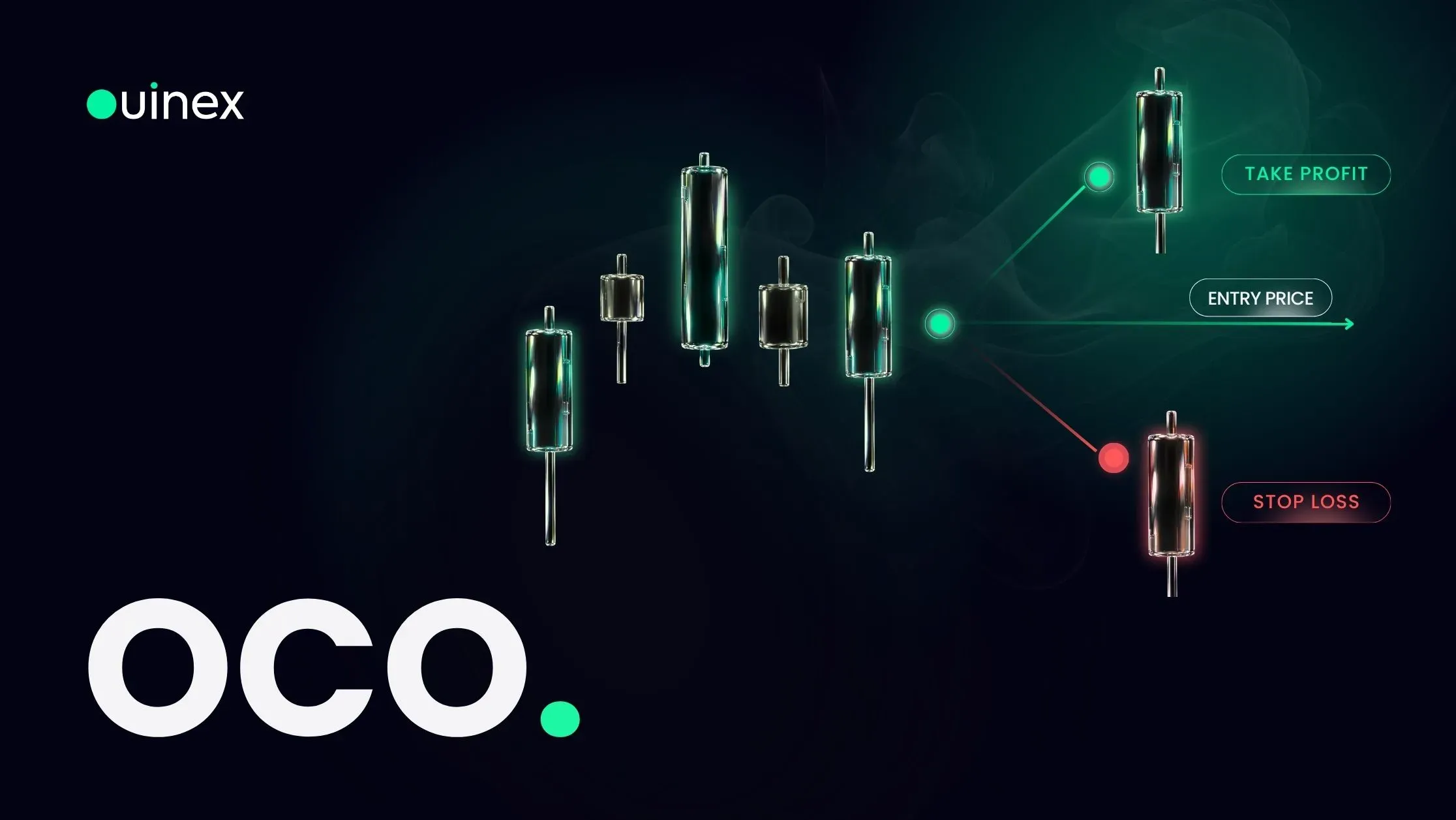
An OCO order is two orders placed as one unit, linked by a single rule: whichever fills first cancels the other. In practice that means a take profit and a stop loss submitted together, so the moment your target is reached your protective order disappears on its own, and the moment your stop is hit your target disappears with it.
Read More